

What are public procurement thresholds?

Procurement thresholds 2024 are the UK public procurement value limits (effective from 1 January 2024) that determine when a contracting authority must run a regulated procurement under the UK procurement regulations. The thresholds vary by contract type (supplies, services, works) and by authority type (central government, sub-central, utilities, concessions). For suppliers, the threshold affects whether an opportunity must be advertised and competed under formal rules, and what procedures, notices, and timescales the buyer must follow.
Public procurement in the United Kingdom is highly regulated to prevent corruption and ensure transparency. The government carefully balances these transparency requirements with operational efficiency, and it is in this balance that procurement thresholds come into play.
These thresholds are monetary values that determine which procurement rules apply. When a contract value exceeds certain thresholds, contracting authorities must follow full competitive procedures. Below these thresholds, simplified processes are permitted. Thresholds also determine which notices the contracting authority must publish and on which platforms they must be published.
With the UK government spending over £300 billion annually on public contracts, understanding these thresholds is crucial for anyone involved in public procurement.
Central government bodies must follow these formal rules for contracts for goods and services above £139,688, while local authorities have a higher threshold of £214,904.
UK Procurement Thresholds in 2024 (Current)
Procurement Act 2023 Thresholds
In February 2025, the government officially implemented the Procurement Act 2023. Of course, the threshold values remained in force, but publication requirements changed. Here are the current public procurement thresholds for 2024-2025:
The purpose of procurement thresholds
The purpose of these thresholds is simple: to protect fairness and competition in public spending. When significant taxpayer money is involved, the process must be open and non-discriminatory. All qualified suppliers should have an equal opportunity to participate in the process.
If a contract is below the threshold, this means the contracting authority has more flexibility. They can conduct a simplified procedure, request quotations from several suppliers, or even purchase directly, depending on the organisation's internal policies. But once the value exceeds the threshold, formal requirements kick in.
It's essential to understand the procurement threshold. It's not a spending limit. It serves as a trigger for a specific type of procedure. A contracting authority can spend any amount, but how they do so depends on the threshold.
Threshold values vary depending on:
- Type of contracting authority (central government, local authorities, utilities)
- Type of procurement (goods, services, works)
- Sector (standard procurements, defence, light touch regime for social services)
Historical Procurement Thresholds
Understanding how thresholds have evolved helps suppliers and contracting authorities track changes in UK procurement requirements. Critical note: From 1 January 2022, all threshold calculations were made inclusive of VAT, following the UK's independent membership of the WTO Government Procurement Agreement. Prior to 2022, all thresholds were calculated exclusively for VAT.
The table below shows threshold values across recent review periods:
Official Sources:
- 2024-2025: PPN 11/23 - New Thresholds (December 2023)
- 2022-2023: PPN 10/21 - Thresholds and Inclusion of VAT (December 2021)
- 2020-2021: PPN 06/19 - New Thresholds 2020 (December 2019)
- 2018-2019: PPN 04/17 - New Threshold Levels 2018 (December 2017)
- 2016-2017: PPN 18/15 - New Threshold Levels 2016 (December 2015)
- 2014-2015: PPN 10/13 - New Threshold Levels for 2014 (December 2013)
These figures determine when a contracting authority must publish a tender on Find a Tender Service (the central platform for all public procurement). For more details on what a tender is and how the bidding process works, see our guide.
Also, remember that the central government must publish procurement notices for purchases above £12,000, and other authorities above £30,000. This isn't a full tender per se, but it does require the publication of intention information. This makes the market more transparent even for smaller contracts.
Defence and Security Thresholds
When it comes to defence and security procurement, there are some separate rules. Procurement thresholds 2024 for this sector:
Defence contracts:
- Goods and services: £214,904
- Works: £5,372,609
These thresholds apply to procurement related to weapons, ammunition, military equipment, and related services. It's important to note: many defence contracts are exempt from standard rules due to national security considerations. This means contracting authorities can use special procedures or restricted tenders, even if the value exceeds the threshold.
For suppliers, it's not that simple. The defence sector requires specialised accreditations. You need specialised security clearances and often long-term relationships with contracting authorities. Thresholds here are less important than the ability to pass security checks.
Utilities Contracts Thresholds
Utilities operating in the energy, water, transport, and postal services sectors follow separate procurement rules under the Utilities Contracts Regulations 2016. These entities have different thresholds to reflect the commercial nature of their operations.
Utilities contracts:
- Goods and services: £429,809
- Works: £5,372,609
- Light touch utilities: £884,720
These thresholds apply to contracting entities in sectors such as:
- Energy (electricity, gas, heating, and cooling)
- Water (production, transport, and distribution)
- Transport services (railways, airports, ports)
- Postal services
Utilities have higher thresholds than standard public authorities because they often operate in competitive markets and require greater procurement flexibility. However, they must still ensure transparency and non-discrimination when procuring above these values.
For suppliers working with utilities, it's essential to understand that these organisations may use procurement procedures different from those of traditional public bodies. Utilities can use negotiated procedures more flexibly and often have specialised framework agreements specific to their sector.
Light Touch Thresholds
Some services fall under the "light touch regime." These are simplified rules with greater flexibility for contracting authorities. Procurement Act thresholds for light touch:
- Social, health, and educational services: £663,540
This includes categories such as:
- Social care and support
- Health services (except emergency)
- Educational and training services
- Hotel and restaurant services
- Legal services
- Creative and cultural services
For these services, contracting authorities must publish a contract notice; however, they can design their own evaluation procedure. This approach offers greater flexibility to consider quality, social impact, and innovation alongside price.
To determine which services fall into which categories, buyers often use CPV codes. This is a procurement classification system that helps you determine which category a future tender falls under.
How Thresholds Shape Buying Routes
Threshold values determine which procurement procedures must be followed. Procurements are generally divided into two categories: above threshold and below threshold.
Below Threshold. The contracting authority has significant discretion. They can:
- Request quotations from several suppliers
- Use an existing framework agreement
- Conduct a mini-competition
- In some cases, purchase directly from a single supplier
However, even below the threshold, transparency rules still apply. From February 2025, contracting authorities must publish notices of intention for contracts from £12,000 (central government) or £30,000 (other authorities). This is called a Below-Threshold Notice. So, the contracting authority must:
- Publish a Below-Threshold Notice for contracts from £12,000 (central government) or £30,000 (other authorities)
- Ensure value for money
- Follow internal procurement policies
- Maintain basic records of the procurement decision
- Treat all potential suppliers fairly and without discrimination
Above Threshold. The tender process becomes formal and regulated. The contracting authority must:
- Publish a tender on Find a Tender Service
- Follow one of the approved procedures (open, restricted, competitive, flexible)
- Observe minimum timescales for submitting bids
- Document all decisions
- Publish a contract award notice
Procedures also vary slightly in complexity. The open procedure is the simplest: one stage, everyone can submit bids. The restricted procedure includes pre-qualification. The competitive flexible procedure provides more freedom for dialogue with suppliers. For more information on how these procedures work, refer to our procurement guide.
Example: A local council seeks to procure IT services worth £200,000. This is below the threshold for sub-central authorities (£214,904), but above the Below-Threshold Notice requirement (£30,000). The council publishes a notice of intention, conducts a simplified procedure, and awards the contract. If the amount were £220,000, a full tender on Find a Tender Service would be required.
How Thresholds Are Updated
Procurement thresholds are regularly updated to reflect inflation, trade agreements, and policy changes. Despite constant updates, the implementation of the Procurement Act 2023 has made the system even more transparent.
Procurement thresholds cannot be static. They're regularly updated, approximately every two years. This approach enables them to account for inflation and changes in trade agreements. We've identified three main drivers leading to updates:
- Inflation. Over time, the purchasing power of money changes. Procurement thresholds 2024 are adjusted to maintain approximately the same level of regulation by real contract value.
- Trade agreements. The United Kingdom signed the Government Procurement Agreement (GPA) under the WTO. This agreement establishes minimum thresholds for international supplier access. UK thresholds must comply with these commitments.
- Policy reforms. The Procurement Act 2023 introduced new transparency requirements for procurements below the threshold. However, the Procurement Act 2023 thresholds themselves remained the same. Future reforms may change both the values and the rules for their application.
When to expect the next update? Current thresholds have been in effect since January 2024. The next review is expected in January 2026. Official updates are published through the Cabinet Office in the form of Procurement Policy Notes (PPN).
If you're a supplier, we recommend monitoring government updates at the end of each year to stay informed. Threshold changes can turn an opportunity that was previously below threshold into a full competitive tender — or vice versa.
Common Misconceptions
The world of thresholds is confusing when you're trying to understand it. Suppliers often provide various interpretations that are misleading. Let's address the most common statements that don't reflect reality:
- Misconception 1: Below threshold, you can do anything.
No. Even below the threshold, contracting authorities must adhere to the principles of transparency, equal treatment, and proportionality. The Procurement Act 2023 strengthened requirements through the use of Below-Threshold Notices and obligations to document decisions.
- Misconception 2: Contracting authorities can split contracts to avoid thresholds.
Technically no. Aggregation rules apply: if multiple similar procurements occur within a single period, their total value must be considered when determining the threshold. Deliberately splitting a contract to circumvent thresholds is a violation, and as you might guess, it carries consequences.
However, there's an exception: the small lots rule. If a contracting authority divides a large procurement into small lots worth up to £70,000 each (and no more than 20% of the total amount), these lots can be procured through a simplified procedure. This is specifically designed to support SME access to large contracts.
Why Thresholds Matter for Suppliers
Understanding the Procurement Act thresholds helps suppliers identify opportunities and plan their approach strategically.
- Pipeline planning. If a council typically spends £180,000 annually on maintenance services, you know they'll likely run a simplified process. But if their needs grow to £220,000, a public tender becomes mandatory. Track spending patterns to anticipate when formal tenders will appear.
- Competition assessment. A £250,000 ICT contract will appear on Find a Tender Service and attract 10-15 bidders. A £150,000 contract below the threshold might only reach 3-4 local suppliers. Understanding this helps you decide where to focus your bid management resources.
- Compliance awareness. If a contracting authority splits a £300,000 project into three £100,000 contracts to avoid thresholds, this violates aggregation rules. Recognising such issues protects you from contract challenges later.
- Access to opportunities. The Procurement Act 2023 now requires Below-Threshold Notices from £12,000 (central government) or £30,000 (other authorities). This means small contracts that were previously invisible are now published, giving SMEs more opportunities to compete.
Conclusion
Procurement thresholds aren't just an administrative detail. They define the rules of the game for public procurement: when competition is mandatory, which procedures apply, and which opportunities become visible.
For suppliers, the main lesson is simple: monitor public procurement thresholds. They change every two years, and each update can open new opportunities or change your market access strategy. Following the introduction of the Procurement Act 2023 thresholds, even below-threshold contracts have become more transparent, giving SMEs more opportunities.
Use thresholds as a planning tool. If you see that a contracting authority is spending amounts close to the threshold, prepare: a tender may appear soon. If the amount is below, act proactively and build relationships before the contracting authority decides on a supplier.
Thresholds shape the market. But monitoring them across national systems and local portals is slow and risky.
Stotles turns thresholds into triggers: when an opportunity meets the public publication rules, it's published on one of hundreds of government portals.
Stotles pulls the notice in, applies our AI-driven Signal Score to rank relevance and urgency for your business, and then sends an alert so you can respond while the market is still forming.
.avif)
The Stotles Signal Score cuts through the noise by showing which contracts best match your priorities and which need immediate action, so you can find the tenders most suited. Using keywords, CPV codes, and AI based signals, Stotles ranks each tender on a scale of 0 to 3.
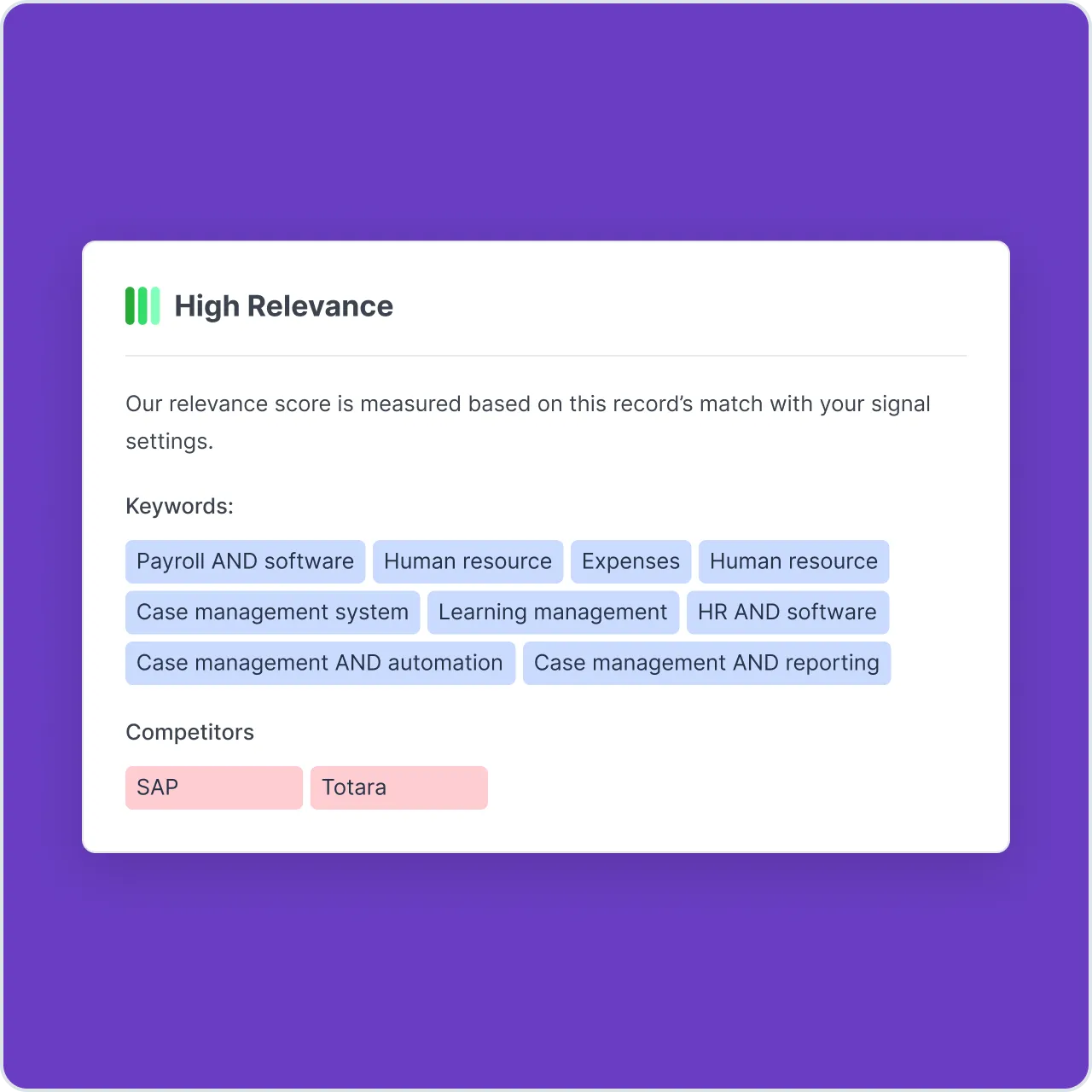
For below-threshold spend we surface early signals and help you start engagement before tendering begins.
Want to see what’s open in your area right now?
Set up a free account and start searching open tenders today.


Want a custom report?